Book Appointment Now

Braces and Teeth Alignment – Achieve a Perfect Smile
Braces are a common orthodontic treatment used to correct misaligned teeth, improve bite issues, and create a straighter, healthier smile. Modern braces are more comfortable, effective, and less noticeable than ever before. Many people, both children and adults, choose braces not only for cosmetic improvement but also for better oral health and functionality.
Teeth alignment plays an important role in overall dental health. When teeth are crowded, crooked, or improperly spaced, it becomes difficult to clean them properly. This increases the risk of cavities, gum disease, and bad breath. Braces help align teeth correctly, making oral hygiene easier and more effective.
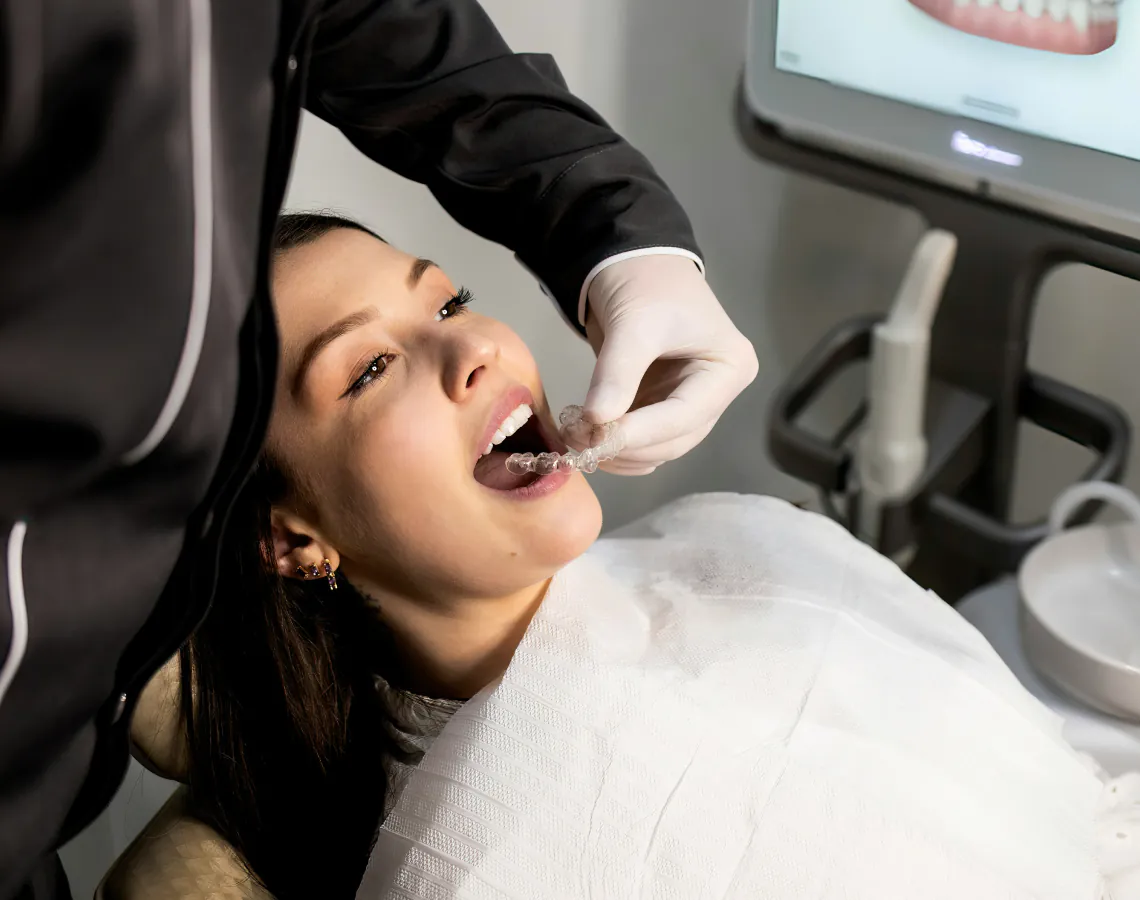
There are several types of braces available today. Traditional metal braces are the most common and effective option for correcting complex dental issues. They consist of metal brackets and wires that gradually move teeth into the correct position. Ceramic braces work in a similar way but are less visible because they blend with the natural color of teeth. Clear aligners, such as invisible trays, are another popular option for people who prefer a more discreet treatment.
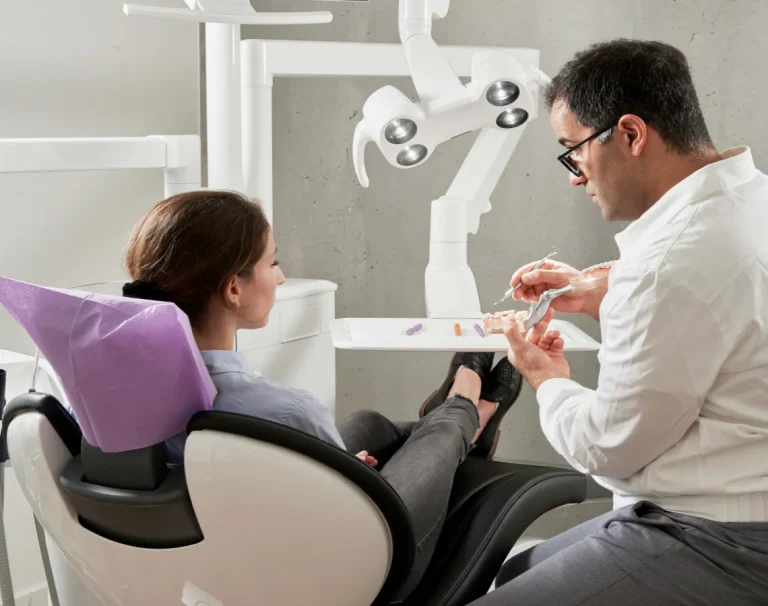
The process of getting braces begins with a detailed dental examination. The orthodontist evaluates the alignment of teeth, jaw structure, and bite issues using X-rays and digital scans. Based on this assessment, a personalized treatment plan is created. Once braces are fitted, periodic adjustments are made to gradually move the teeth into proper alignment.
Although the treatment duration varies depending on the complexity of the case, most patients wear braces for one to three years. During this time, regular dental visits are required to adjust the braces and monitor progress. Patients may experience slight discomfort after adjustments, but this is normal and temporary.
Maintaining good oral hygiene is extremely important during orthodontic treatment. Food particles can easily get trapped in braces, increasing the risk of plaque buildup and cavities. Patients are advised to brush after every meal and use special orthodontic cleaning tools such as interdental brushes and floss threaders. Avoiding sticky and hard foods also helps prevent damage to braces.
Despite the challenges, the results of orthodontic treatment are highly rewarding. Straight teeth not only improve appearance but also enhance chewing efficiency and speech clarity. A well-aligned smile boosts confidence and has a positive impact on social and professional interactions.
Braces also help correct bite problems such as overbite, underbite, and crossbite. These issues, if left untreated, can cause jaw pain, uneven wear of teeth, and difficulty in chewing. By aligning the bite properly, braces contribute to long-term oral health and comfort.
In recent years, orthodontic technology has advanced significantly. Modern braces are smaller, more comfortable, and more efficient than older versions. Treatment time has also reduced due to improved techniques and materials. Clear aligners have become especially popular among adults who want a nearly invisible solution for teeth straightening.
After the completion of treatment, patients are usually required to wear retainers. Retainers help maintain the new position of teeth and prevent them from shifting back to their original alignment. This final step is crucial for ensuring long-term results.
In conclusion, braces are an effective and reliable solution for achieving a straight and healthy smile. They improve both appearance and oral health by correcting alignment and bite issues. With proper care, regular dental visits, and patience, patients can achieve long-lasting results and enjoy the confidence of a beautiful smile.