Book Appointment Now

Teeth Whitening Guide for a Brighter Smile
Teeth whitening has become one of the most popular cosmetic dental treatments for people who want to improve their smile quickly and safely. Over time, teeth naturally lose their brightness due to aging, food habits, and lifestyle choices. Drinks like tea, coffee, and soft drinks, as well as habits like smoking, can cause stains and discoloration. Teeth whitening treatments help restore the natural shine of teeth and improve overall appearance.
A bright smile is often associated with confidence, youthfulness, and good health. Many people feel self-conscious about yellow or stained teeth, which can affect their social and professional interactions. Teeth whitening offers a simple solution to this problem by removing surface stains and lightening the natural color of the teeth.
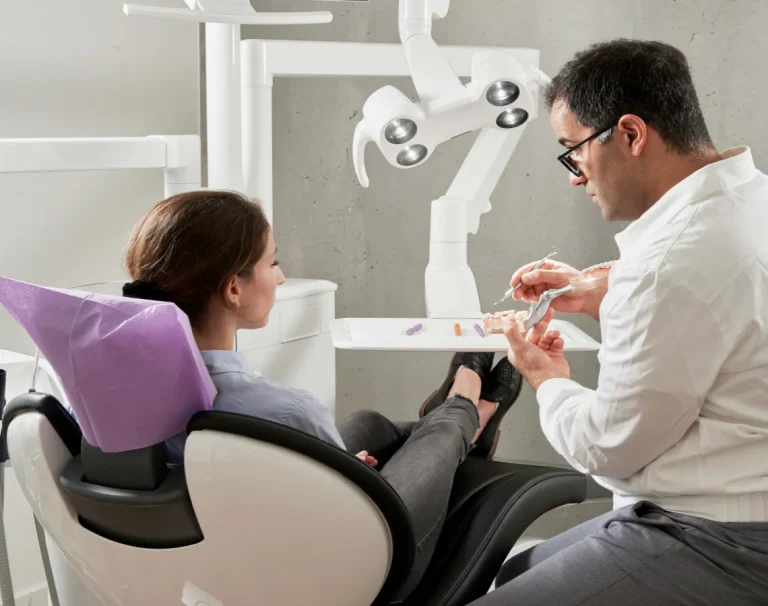
There are different methods of teeth whitening available today. Professional in-clinic whitening is the most effective and safest option. In this procedure, dentists use specially formulated whitening agents that break down stains on the surface of the teeth. The process is carefully controlled to ensure safety and avoid damage to the enamel or gums. In most cases, visible results can be seen after just one session, although some patients may require multiple visits depending on the level of staining.
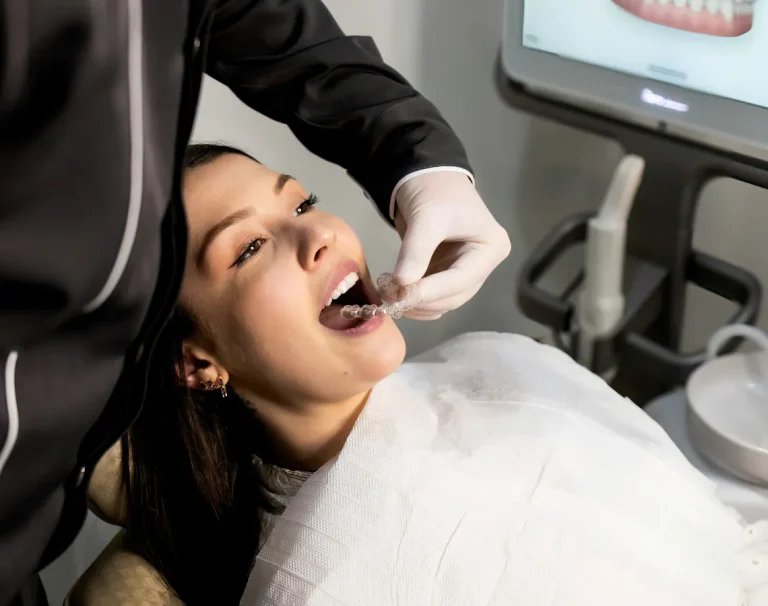
Another option is take-home whitening kits provided by dentists. These kits include custom-made trays and whitening gel that patients can use at home. While this method takes longer to show results compared to in-clinic treatments, it is still effective when used correctly and consistently.
It is important to understand that not all whitening methods are safe. Over-the-counter whitening products, such as strips and unregulated bleaching kits, may cause tooth sensitivity or damage if used incorrectly. This is why professional guidance is always recommended before starting any whitening treatment.
Maintaining results after teeth whitening is equally important. Good oral hygiene plays a key role in preserving the brightness of teeth. Brushing twice a day, flossing daily, and using a fluoride toothpaste help prevent new stains from forming. It is also advisable to reduce consumption of staining foods and drinks such as coffee, tea, red wine, and colored sodas. If consumption is unavoidable, rinsing the mouth with water afterward can help reduce staining effects.
Regular dental cleanings also help maintain whitening results. Professional cleaning removes plaque and surface stains that cannot be removed by brushing alone. Dentists may also recommend periodic touch-up treatments to maintain long-lasting brightness.
Teeth whitening is not just about appearance; it also improves self-esteem. A brighter smile makes people feel more confident in social situations, interviews, meetings, and public appearances. This boost in confidence can have a positive impact on both personal and professional life.
However, teeth whitening is not suitable for everyone. People with sensitive teeth, gum disease, or dental restorations such as crowns and veneers should consult a dentist before undergoing treatment. Dentists evaluate each patient’s oral health to determine the safest and most effective whitening method.
Modern dentistry has made teeth whitening safer and more predictable than ever before. Advanced whitening systems are designed to minimize sensitivity while delivering excellent results. With proper care and professional supervision, patients can achieve a naturally bright smile without harming their teeth.
In conclusion, teeth whitening is an effective cosmetic dental treatment that enhances smile appearance and boosts confidence. Whether done professionally or through dentist-approved home kits, it is important to follow proper guidelines and maintain good oral hygiene. A bright smile not only improves appearance but also reflects good dental health and personal care.