Book Appointment Now

Dental Implants Explained – Permanent Tooth Replacement Solution
Dental implants are one of the most advanced and reliable solutions for replacing missing teeth. They are designed to look, feel, and function like natural teeth, making them a long-term option for patients who have lost one or more teeth due to injury, decay, or gum disease.
A dental implant consists of three main parts: a titanium post, an abutment, and a crown. The titanium post is surgically placed into the jawbone and acts as a replacement for the natural tooth root. Over time, the implant integrates with the bone in a process called osseointegration, which provides a strong and stable foundation. The abutment connects the implant to the crown, and the crown is the visible part that looks like a natural tooth.
One of the biggest advantages of dental implants is their durability. Unlike dentures or bridges, implants are fixed and do not move while speaking or eating. With proper care, they can last many years or even a lifetime. This makes them a cost-effective long-term solution for tooth replacement.
Dental implants also help preserve jawbone health. When a tooth is lost, the jawbone in that area begins to shrink over time due to lack of stimulation. Implants act like natural tooth roots and stimulate the bone, preventing bone loss and maintaining facial structure. This is important for preserving a youthful appearance and preventing sunken facial features.
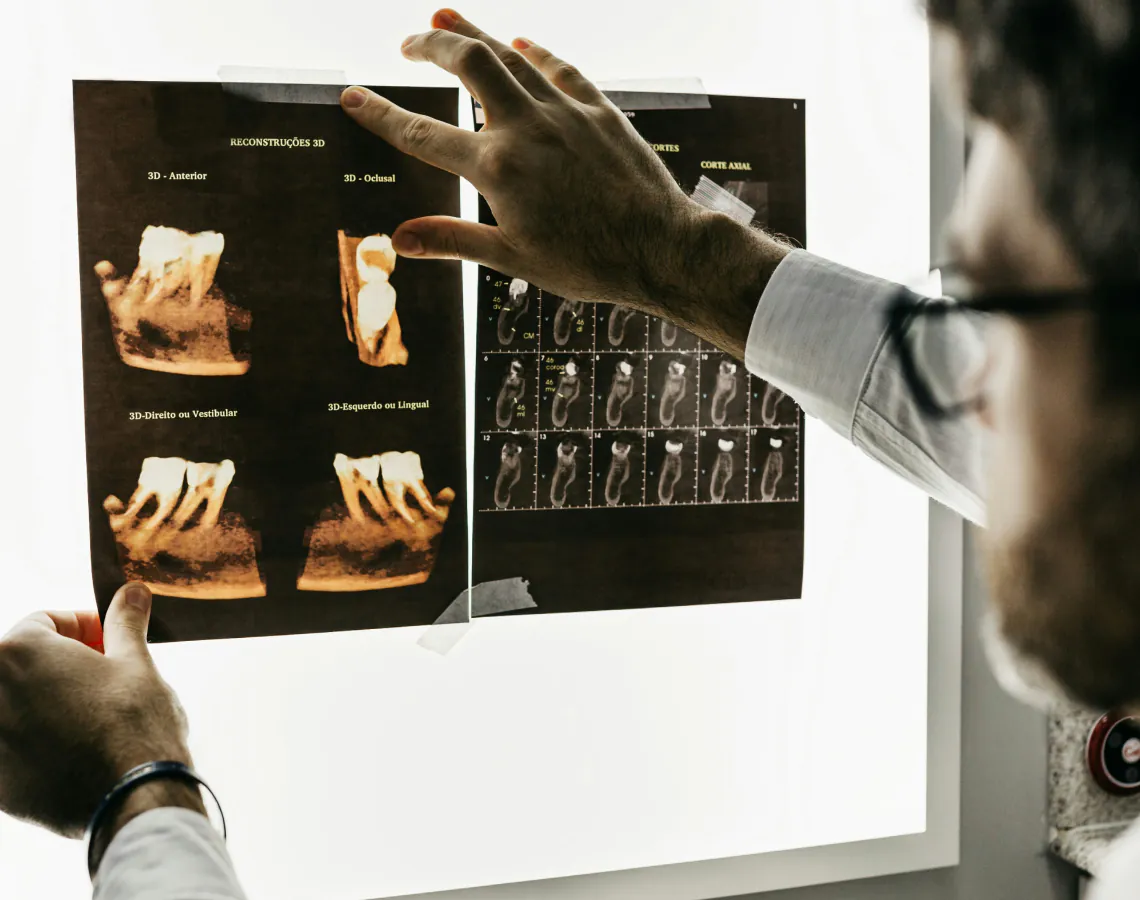
The implant procedure is usually done in multiple stages. First, the dentist evaluates the patient’s oral health and takes X-rays or scans to determine bone strength and structure. If the jawbone is healthy enough, the implant is placed surgically. After placement, a healing period of a few months is required for the implant to fully integrate with the bone. Once healing is complete, the crown is attached, completing the restoration.
Although the process takes time, it provides highly successful and long-lasting results. Most patients experience minimal discomfort during and after the procedure, as modern dental techniques make the process safe and efficient. Local anesthesia is used to ensure a painless experience during surgery.
Dental implants improve not only appearance but also functionality. They restore normal chewing ability, allowing patients to eat their favorite foods without difficulty. They also improve speech clarity, which can be affected by missing teeth or ill-fitting dentures. Additionally, implants enhance overall confidence by restoring a complete and natural-looking smile.
Proper oral hygiene is essential after getting dental implants. Patients should brush and floss regularly and visit the dentist for routine checkups to ensure the implant remains in good condition. Avoiding smoking and maintaining good gum health also increases the success rate of implants.
While dental implants are highly effective, they may not be suitable for everyone. Patients with certain health conditions or insufficient bone density may require additional treatments such as bone grafting before implant placement. A detailed consultation with a dentist is necessary to determine eligibility.
In conclusion, dental implants are a modern, safe, and permanent solution for missing teeth. They offer excellent stability, natural appearance, and long-term benefits for oral health. With proper care and professional guidance, dental implants can significantly improve both function and confidence, making them one of the best choices in restorative dentistry.